This article is written for educational purposes only and should not be considered financial, tax, or legal advice. Homeowners should consult qualified financial, tax, and legal professionals to evaluate whether a reverse mortgage is appropriate for their individual circumstances.
For many homeowners nearing or entering retirement, the home they’ve spent decades paying off may also be their largest financial asset. While most people think of their home as a place to live, it can also become a valuable financial resource. One option that often comes up in retirement planning is a reverse mortgage.
Reverse mortgages have earned mixed reviews over the years, largely because they’re often misunderstood. For the right homeowner and the right situation, however, they can provide financial flexibility and peace of mind. The key is understanding how they work and determining whether they fit your long-term goals.


Buying or Selling Your Home?
Your content goes here. Edit or remove this text inline or in the module Content settings. You can also style every aspect of this content in the module Design settings and even apply custom CSS to this text in the module Advanced settings.


Make an Inquiry
What Is a Reverse Mortgage?
A reverse mortgage is a loan available to homeowners who are generally age 62 or older and have significant equity in their home. Unlike a traditional mortgage, where you make monthly payments to a lender, a reverse mortgage allows the lender to pay you.
Funds can typically be received as:
- A lump sum
- Monthly payments
- A line of credit
- Or a combination of these options
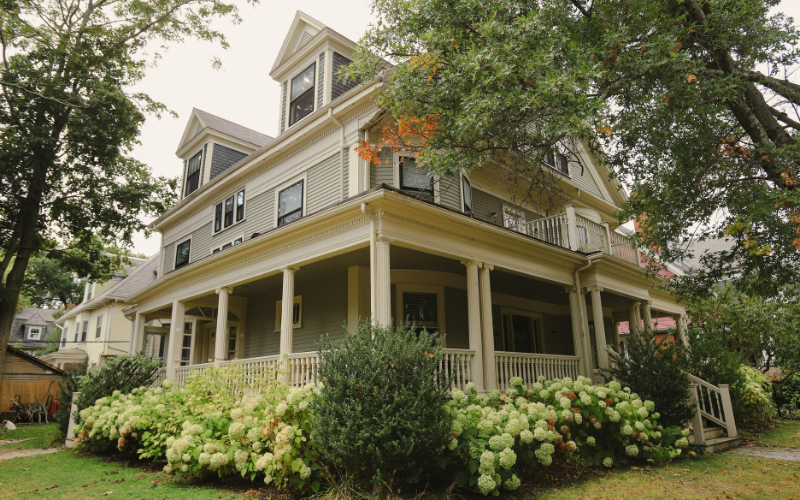
The homeowner remains the owner of the property and continues to live in the home.
Do You Still Own Your Home?
Yes.
One of the biggest misconceptions is that the bank takes ownership of your home. In reality, you remain the owner as long as you:
- Live in the home as your primary residence
- Continue paying property taxes
- Maintain homeowner’s insurance
- Keep the property in good condition
The loan is generally repaid when the home is sold, the homeowner permanently moves out, or passes away.
When Does a Reverse Mortgage Make Sense?
Like any financial tool, a reverse mortgage isn’t right for everyone. However, there are situations where it can be a smart strategy.
Supplementing Retirement Income
Many retirees have significant home equity but limited monthly income. A reverse mortgage can provide additional cash flow to help cover:
- Everyday living expenses
- Medical bills
- Home maintenance
- Rising costs due to inflation
Eliminating Existing Mortgage Payments
Some homeowners still carry a traditional mortgage into retirement. Using a reverse mortgage to pay off that existing mortgage can eliminate monthly principal and interest payments, improving monthly cash flow. (The homeowner must still pay taxes, insurance, and maintain the property.)
Creating an Emergency Safety Net
Some borrowers establish a reverse mortgage line of credit without immediately drawing funds. This line can remain available for future unexpected expenses such as:
- Healthcare costs
- Home repairs
- Family emergencies
Aging in Place
Many seniors want to remain in the home they love rather than move into assisted living or a retirement community. A reverse mortgage may provide the funds needed to:
- Remodel the home for accessibility
- Hire in-home care
- Cover living expenses while remaining independent
When It May Not Be the Best Option
A reverse mortgage isn’t always the right choice.
It may not make sense if you:
- Plan to move within a few years
- Intend to leave the home free and clear to heirs
- Have sufficient retirement income and don’t need to access your equity
- Cannot comfortably keep up with taxes, insurance, or home maintenance
Every homeowner’s financial picture is different, which is why it’s important to evaluate all available options before making a decision.
What Happens to the Home After You Pass Away?
When the last eligible borrower no longer lives in the home, the loan becomes due.
Typically, heirs have several options:
- Sell the home and use the proceeds to repay the loan.
- Refinance the loan if they wish to keep the property.
- Walk away if the loan balance exceeds the home’s value. Most federally insured reverse mortgages are non-recourse loans, meaning neither the borrower nor the heirs generally owe more than the home’s market value at the time the loan is repaid.

Written by accessmortgagegroup
More From This Category

Pre-Approval vs. Pre-Qualification: What Central Valley Homebuyers Need to Know
If you're thinking about buying a home in Modesto or anywhere in California's Central Valley, you've probably heard the terms pre-qualification and pre-approval. They may sound similar, but they can serve different purposes when you're preparing to buy a...
Pre-Approval vs. Pre-Qualification: What Central Valley Homebuyers Need to Know
If you're thinking about buying a home in Modesto or anywhere in California's Central Valley, you've probably heard the terms pre-qualification and pre-approval. They may sound similar, but they can serve different purposes when you're preparing to buy a...
Pre-Approval vs. Pre-Qualification: What Central Valley Homebuyers Need to Know
If you're thinking about buying a home in Modesto or anywhere in California's Central Valley, you've probably heard the terms pre-qualification and pre-approval. They may sound similar, but they can serve different purposes when you're preparing to buy a...

0 Comments